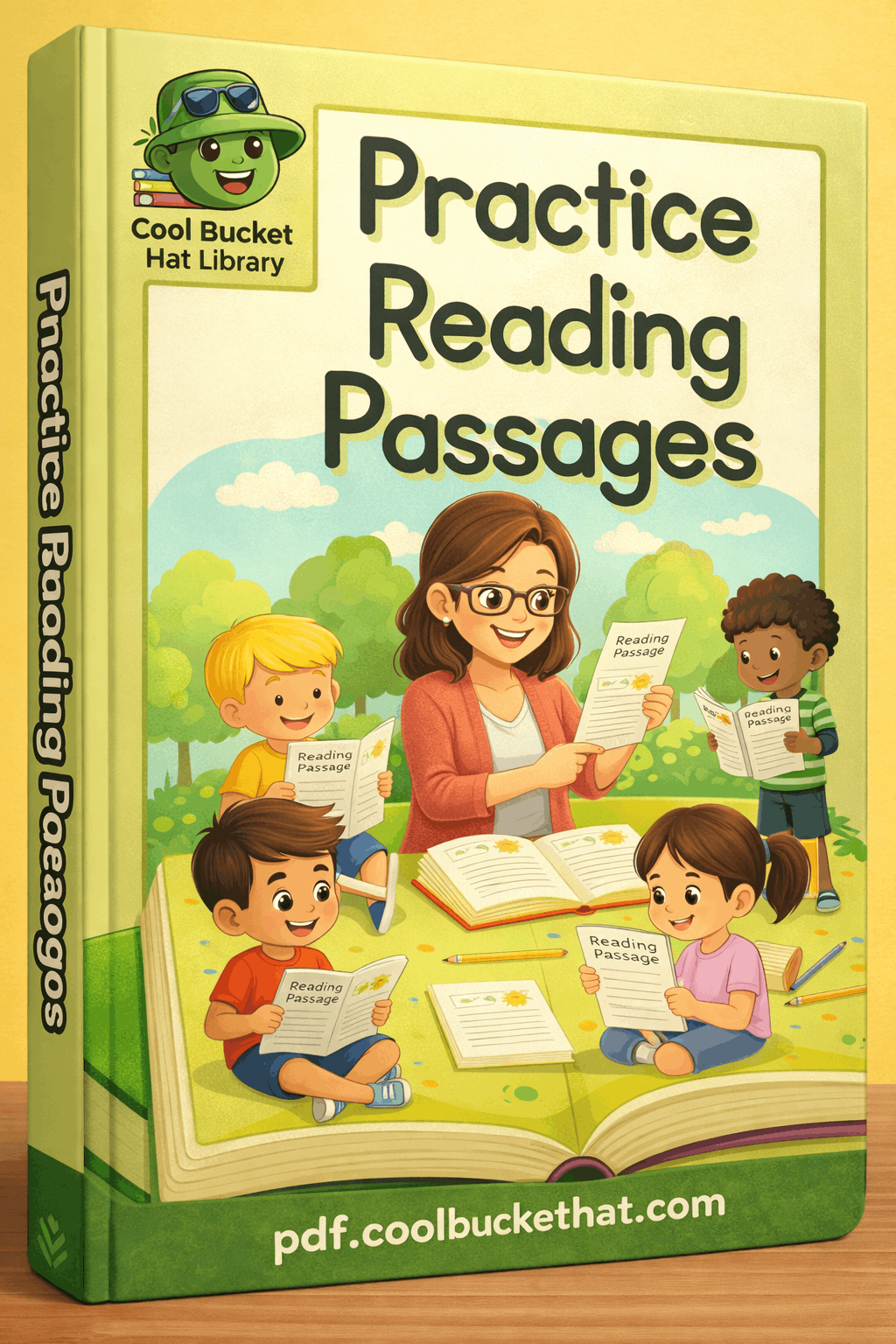
Practice Reading Passages for Fluency and Skills
Practice Reading Passages are one of the most effective tools for improving reading fluency, comprehension, and vocabulary. Whether a child is just beginning to read or working to strengthen their skills, structured reading passages provide consistent and meaningful practice.
In this blog post, we will explore why reading passages are important, how they support literacy development, and how parents and teachers can use them effectively. If you want to build strong reading habits step by step, this guide will give you practical and easy-to-follow advice.
Why Practice Reading Passages Matter
Reading is a skill that improves with regular practice. Just like learning to ride a bike or play an instrument, repetition builds confidence and accuracy. Practice reading passages allow learners to apply phonics knowledge, recognize sight words, and improve fluency.
When students read short, structured passages, they learn to:
Because these passages are designed for specific levels, they prevent frustration while encouraging steady growth.
What Makes a Good Reading Passage?
Not all reading materials are suitable for practice. A good passage should match the learner’s level and include clear structure.
Key features of effective reading passages include:
For beginner readers, sentences should remain short and direct. For example:
The cat is small.
The cat can jump.
The cat likes milk.
These simple sentences help children focus on fluency without feeling overwhelmed.
Benefits of Daily Reading Practice
Consistency plays a major role in reading development. Reading for just 10 to 15 minutes daily can create noticeable improvement.
1. Improved Fluency
Fluency means reading smoothly and accurately. When students practice regularly, they pause less often and read with better rhythm.
2. Stronger Comprehension
Understanding the meaning of text is just as important as decoding words. Practice reading passages include short stories that help students answer simple questions.
3. Expanded Vocabulary
Repeated exposure to new words increases vocabulary naturally. Children begin recognizing words without sounding them out every time.
Types of Practice Reading Passages
Different types of passages serve different purposes. Choosing the right type depends on the learner’s level.
Phonics-Based Passages
These focus on specific sound patterns, such as short vowels or word families.
Example:
Sam has a hat.
The hat is red.
Sam is glad.
This type reinforces decoding skills.
Sight Word Passages
Sight word passages help children recognize high-frequency words quickly.
Example:
I see a dog.
I see a cat.
I see a big hat.
These passages improve reading speed.
Short Story Passages
Simple story passages improve comprehension.
Example:
Ben has a pet frog.
The frog can hop.
Ben likes his frog.
After reading, students can answer questions like:
Who has a frog?
What can the frog do?
Informational Passages
For slightly advanced readers, informational passages introduce basic facts.
Example:
The sun gives us light.
Plants need sunlight to grow.
These passages build knowledge while strengthening reading skills.
How Parents Can Use Reading Passages at Home
Parents play a key role in literacy development. Simple reading routines make a big difference.
Create a Daily Reading Time
Choose a quiet time each day for reading practice. Even 10 minutes is effective.
Read Together
Model fluent reading first. Then allow your child to read aloud. Gentle correction helps improve accuracy.
Ask Simple Questions
After reading, ask questions such as:
Who is in the story?
What happened?
Where did it happen?
These questions strengthen comprehension.
How Teachers Can Use Reading Passages in Class
Teachers can integrate practice reading passages into daily lesson plans.
Guided Reading Groups
Small group instruction allows teachers to provide targeted support.
Independent Reading Time
Students can read short passages quietly and then complete simple worksheets.
Fluency Assessment
Teachers may time students while reading to measure improvement. Repeated reading increases speed and confidence.
Because reading passages are structured, they fit easily into classroom routines.
Improving Fluency Through Repeated Reading
Repeated reading is a powerful strategy. Students read the same passage multiple times. Each time, fluency improves.
Here is a simple method:
Read the passage aloud once.
Discuss unfamiliar words.
Read the passage again.
Focus on smoothness and expression.
After several readings, students often feel more confident.
Common Challenges and Solutions
Some learners may struggle during reading practice. However, simple adjustments can help.
Difficulty with New Words
Break unfamiliar words into smaller parts. Encourage sounding out slowly.
Reading Too Fast
If a student reads too quickly and makes mistakes, remind them to slow down and focus on accuracy.
Losing Interest
Choose passages based on the child’s interests. Stories about animals, sports, or family life often increase motivation.
Patience and encouragement are essential.
Creating a Positive Reading Environment
A supportive environment encourages learning.
Choose a quiet and comfortable space.
Limit distractions during reading time.
Praise effort consistently.
Avoid criticism.
Children learn best when they feel safe and supported.
Long-Term Benefits of Reading Practice
Regular reading practice builds skills that last a lifetime. Students who practice reading passages consistently often:
Because reading is connected to every subject, strong literacy skills support overall academic success.
Combining Reading with Writing
After reading a passage, encourage simple writing activities.
For example:
Write one sentence about the story.
Draw a picture and describe it.
Create a new ending for the passage.
This integration strengthens understanding and creativity.
Conclusion
Practice Reading Passages provide structured and meaningful opportunities to improve literacy skills. Through daily practice, repeated reading, and simple comprehension questions, learners build fluency and confidence.
Whether used at home or in the classroom, short and level-appropriate passages create steady progress. With consistency, encouragement, and engaging topics, reading practice becomes an enjoyable part of a child’s daily routine.
Strong reading habits start with simple steps. With the right passages and supportive guidance, every learner can grow into a confident and capable reader.