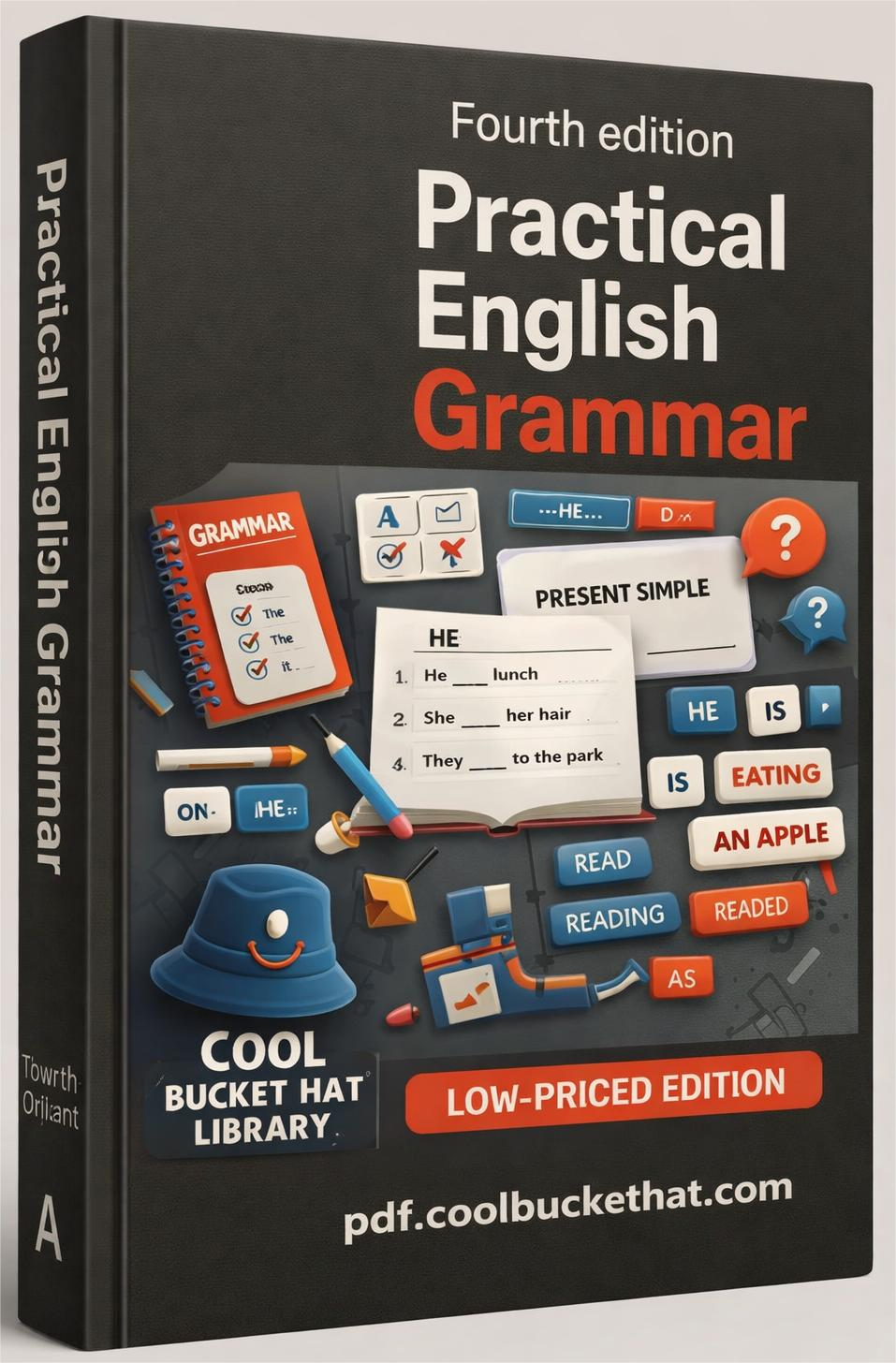
Practical English Grammar for Daily Clear Communication Tips
Practical English Grammar is the foundation of clear speaking and confident writing. Whether you are a student, professional, freelancer, or language learner, grammar shapes how your ideas are understood. Many people believe grammar is complex and difficult. However, when it is taught in a practical and simple way, it becomes easy to apply in daily life.
In today’s digital world, strong communication skills are essential. Emails, social media posts, academic writing, and workplace conversations all depend on correct grammar. Therefore, learning grammar is not about memorizing rules. Instead, it is about understanding how language works in real situations.
This article will help you understand grammar in an easy, practical, and blog-friendly way. You will learn essential rules, common mistakes, daily usage tips, and strategies to improve faster.
Why Learning Grammar Practically Matters
Traditional grammar learning often focuses on theory. As a result, learners struggle to use grammar naturally. On the other hand, practical learning emphasizes real usage, clarity, and confidence.
There are several benefits of learning grammar in a practical way.
1. Improves Daily Communication
When grammar is clear, your message becomes easier to understand. People respond better when sentences are structured correctly.
2. Builds Writing Confidence
Many learners hesitate to write because they fear mistakes. However, practical learning reduces this fear and encourages expression.
3. Enhances Professional Growth
In professional environments, grammar reflects credibility. Reports, presentations, and emails become more impactful with correct structure.
4. Supports Language Fluency
Fluency is not only about vocabulary. Grammar connects words and creates meaningful sentences.
Core Components of English Grammar
To master grammar, you must understand its building blocks. Fortunately, these components are simple when learned step by step.
Parts of Speech
Parts of speech form the backbone of sentence construction.
Nouns – names of people, places, or things
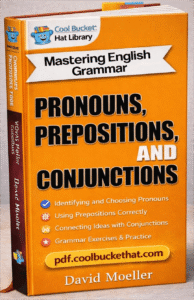
Pronouns – words that replace nouns
Verbs – action or state words
Adjectives – words that describe nouns
Adverbs – words that modify verbs or adjectives
Prepositions – show relationships between words
Conjunctions – connect ideas
Interjections – express emotions
When learners understand these categories, sentence formation becomes much easier.
Sentence Structure Made Simple
Clear sentence structure improves readability and prevents confusion. Every complete sentence usually includes a subject and a verb.
Types of Sentences
Understanding sentence types helps create variety in writing.
Simple sentences – express one idea
Compound sentences – connect related ideas
Complex sentences – show relationships between ideas
Compound-complex sentences – combine multiple thoughts
Using different sentence types keeps your writing engaging and natural.
Tenses in Real-Life Communication
Tenses often confuse learners. However, focusing on daily usage makes them easier to understand.
Present Tense
Used for routines, habits, and facts.
Example: She writes every day.
Past Tense
Used for completed actions.
Example: They finished the project yesterday.
Future Tense
Used for plans and predictions.
Example: We will start tomorrow.
Instead of memorizing formulas, learners should practice describing daily activities. This approach strengthens tense accuracy naturally.
Common Grammar Mistakes and How to Fix Them
Mistakes are part of learning. Still, awareness helps reduce them faster.
Subject-Verb Agreement Errors
Incorrect: She go to school.
Correct: She goes to school.
Misuse of Articles
Incorrect: I saw movie.
Correct: I saw a movie.
Confusing Prepositions
Incorrect: Married with her
Correct: Married to her
Run-On Sentences
Long sentences without proper punctuation reduce clarity. Breaking them into smaller sentences improves readability.
By identifying these mistakes early, learners can improve quickly and confidently.
Practical Tips to Improve Grammar Daily
Improvement does not require complicated methods. Small daily habits create significant progress.
1. Read Actively
Reading blogs, articles, and books exposes you to natural grammar patterns. Pay attention to sentence formation and punctuation.
2. Write Every Day
Short journal entries, comments, or social posts help reinforce grammar usage.
3. Speak Without Fear
Speaking practice helps grammar become automatic. Even simple conversations build confidence.
4. Learn Through Correction
Feedback highlights mistakes that learners often overlook. Therefore, editing and reviewing are essential.
5. Focus on Clarity Over Perfection
Clear communication matters more than complex grammar. Simple sentences are often more effective.
The Role of Grammar in Digital Writing
Digital platforms demand clear and concise writing. Readers prefer content that is easy to scan and understand.
Short paragraphs improve engagement. Transition words guide readers smoothly between ideas. Additionally, active voice keeps writing energetic and direct.
Bloggers, freelancers, and students benefit greatly from Practical English Grammar because online audiences value clarity and readability.
Transition Words That Improve Flow
Transitions connect ideas and improve readability. Without them, writing may feel disjointed.
Common transition words include:
However
Therefore
Additionally
Meanwhile
For example
In contrast
As a result
Using transitions makes writing smoother and easier to follow.
Active vs Passive Voice
Both voices are useful, but active voice is usually clearer.
Active: The teacher explained the lesson.
Passive: The lesson was explained by the teacher.
Active voice sounds more direct and engaging. Therefore, blog writing often benefits from active constructions.
Grammar for Academic and Professional Success
Grammar plays a vital role in academic writing and workplace communication. Essays, research papers, and reports require clarity and accuracy.
Professionally, grammar influences how others perceive your competence. Clear emails reduce misunderstandings. Structured reports increase credibility. Strong grammar also improves presentation skills.
As a result, investing time in grammar learning supports long-term career growth.
How to Practice Grammar Without Feeling Bored
Many learners quit because grammar feels repetitive. However, engaging methods make learning enjoyable.
Watch English videos with subtitles
Rewrite short stories in your own words
Participate in online discussions
Play language learning games
Practice storytelling with friends
When grammar is connected to real communication, motivation increases naturally.
The Importance of Editing and Proofreading
Even experienced writers make mistakes. Therefore, editing is essential.
Proofreading helps you:
Reading content aloud is particularly effective. It highlights awkward sentences and missing words.
Consistent editing gradually strengthens grammar awareness and writing quality.
Building Long-Term Grammar Confidence
Confidence develops through consistency, not perfection. Small improvements accumulate over time.
Learners should focus on progress rather than mistakes. Celebrating improvement builds motivation. Additionally, practicing in real conversations reinforces learning faster than isolated exercises.
With patience and daily effort, grammar becomes a natural part of communication rather than a memorized subject.
Final Thoughts
Practical English Grammar is not about memorizing complicated rules. Instead, it is about using grammar as a tool for clear expression. When learners focus on real communication, grammar becomes easier, more useful, and more enjoyable.
Daily reading, writing, and speaking create steady improvement. Transition words enhance flow, active voice improves clarity, and consistent editing strengthens accuracy. Over time, these habits transform communication skills and boost confidence.
Most importantly, learners should remember that mistakes are part of growth. With the right mindset and practical strategies, anyone can master grammar and communicate effectively.